
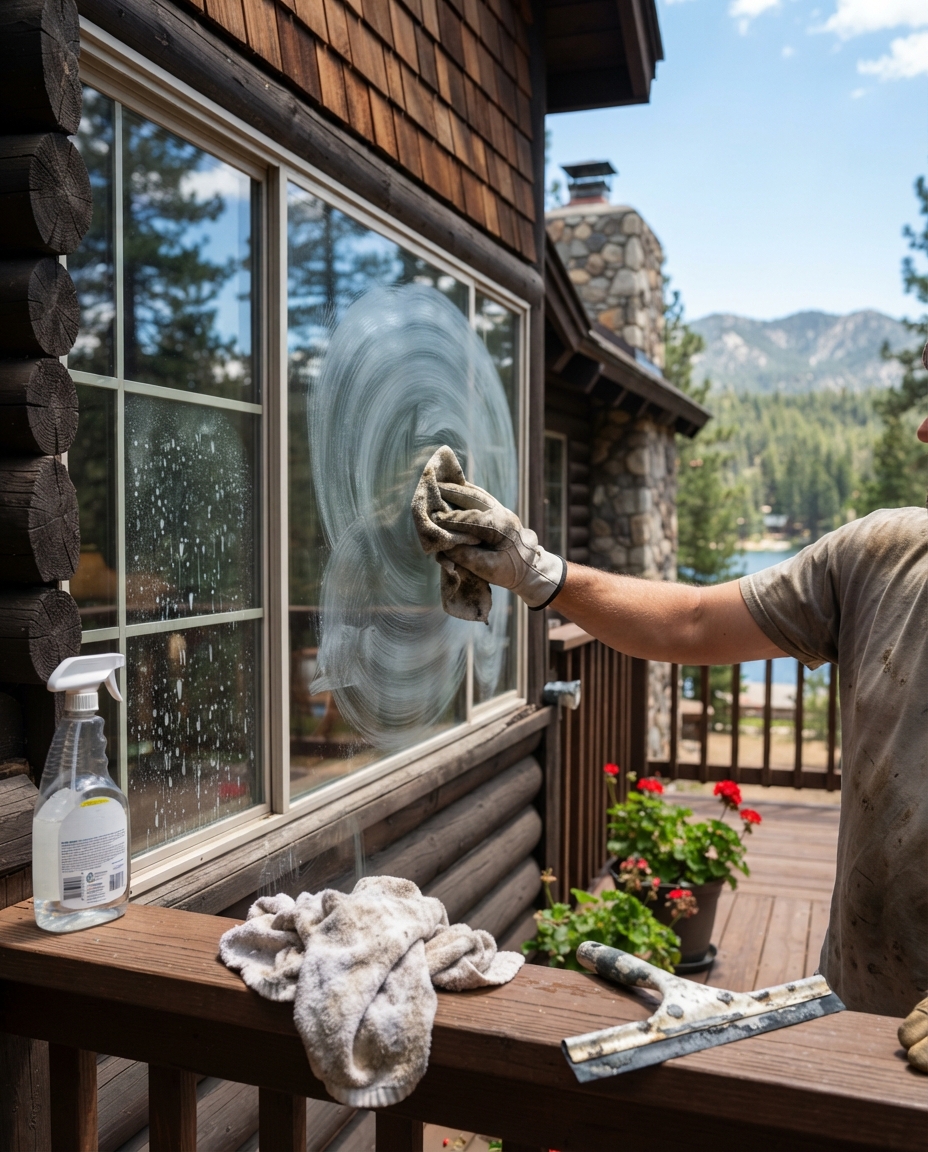
Common Mistakes That Leave Windows Streaky | Window Cleaning Tips
Common Mistakes That Leave Windows Streaky
Avoid the Habits That Reduce Clarity After Cleaning
Few things are more frustrating than spending time cleaning your windows only to discover streaks, smudges, or cloudy spots once the glass dries. While streaky windows may seem like a minor issue, they can make an otherwise clean home look unfinished.
Understanding the most common window cleaning mistakes can help homeowners achieve clearer glass and know when professional window cleaning may be the better option.
1. Cleaning Windows in Direct Sunlight
One of the most common mistakes is washing windows when they're exposed to strong, direct sunlight.
Heat can cause cleaning solutions to dry quickly on the glass before they can be properly removed. This can leave behind:
Streaks
Water marks
Residue
Uneven patches
Cleaning during cooler conditions or when the glass is shaded can make it easier to achieve an even finish.
2. Using Too Much Cleaning Solution
More cleaning product doesn't necessarily mean cleaner windows.
Using excessive amounts of solution can leave residue behind, especially if the glass isn't thoroughly rinsed or dried.
A proper amount of cleaning solution is generally more effective than saturating the window with product.
3. Using Dirty Cleaning Tools
Even the best cleaning technique can produce poor results when the tools themselves are dirty.
A cloth, mop, or squeegee that contains accumulated dirt can spread it across the glass instead of removing it.
Clean equipment helps prevent:
Smearing
Dirt transfer
Streaking
Cloudy residue
4. Using the Wrong Cloth
Some household towels and paper products can leave behind lint or fibers.
Microfiber cloths are commonly used for glass cleaning because they can help remove residue without leaving as much lint behind.
Using separate cloths for cleaning and final drying can also help improve results.
5. Skipping the Squeegee
Trying to wipe an entire window dry with a cloth can sometimes leave behind uneven moisture.
A properly used squeegee can help remove water and cleaning solution more consistently.
The technique matters, though. Inconsistent pressure or repeatedly going over partially dried areas can contribute to streaking.
6. Cleaning Dirty Frames Last—or Not at All
Window glass isn't the only area that collects dirt.
Frames, tracks, and sills can hold dust, pollen, and debris. If these areas are ignored, dirt can transfer back onto freshly cleaned glass.
For a more complete result, clean surrounding areas as part of the window maintenance process.
7. Ignoring Hard Water Spots
Mineral deposits from water can be particularly difficult to remove with standard household glass cleaner.
These spots may appear as:
White marks
Cloudy patches
Circular water stains
Dull areas on the glass
If mineral buildup has been present for a long time, standard cleaning may not be enough. Specialized cleaning techniques may be necessary.
8. Using Abrasive Materials
Trying to remove stubborn marks with rough materials can damage glass or surrounding surfaces.
Avoid using abrasive tools unless they're specifically designed and appropriate for the window surface.
When you're unsure how to remove a difficult stain, professional window cleaning services can provide a safer approach.
9. Forgetting the Exterior
Interior glass may look clean while exterior windows remain covered in dust, pollen, water spots, and environmental buildup.
For homeowners looking for a noticeable improvement in overall appearance, exterior window cleaning is an important part of the process.
Professional equipment can also make it easier to clean windows that are difficult or unsafe to reach.
10. Waiting Too Long Between Cleanings
The longer dirt and residue remain on your windows, the more difficult they can become to clean.
Regular window maintenance helps prevent heavy buildup and makes future cleanings more manageable.
A consistent schedule can also help maintain your home's appearance throughout the year.
Why Professional Window Cleaning Can Make a Difference
Professional window cleaners have the equipment and experience to address different types of glass, buildup, and hard-to-reach windows.
Professional service can be particularly helpful for:
Large homes
Multi-story properties
Exterior windows
Hard water buildup
Difficult-to-reach glass
Extensive seasonal cleaning
Instead of spending hours trying different techniques, homeowners can leave the job to professionals equipped for the task.
Simple Ways to Reduce Window Streaks
If you're cleaning your windows yourself, keep these tips in mind:
Avoid strong direct sunlight.
Don't use excessive cleaning solution.
Start with clean tools.
Use appropriate microfiber cloths.
Remove excess water with a squeegee.
Clean frames and tracks.
Address mineral buildup appropriately.
Don't use abrasive materials.
Clean both interior and exterior glass.
Maintain a regular cleaning schedule.
Final Thoughts
Streaky windows are often the result of small cleaning mistakes rather than a lack of effort. Cleaning in direct sunlight, using too much solution, working with dirty tools, or overlooking frames and tracks can all affect the final result.
By using the right techniques and maintaining your windows regularly, you can keep your glass clearer and your home looking cleaner. For difficult-to-reach windows, stubborn buildup, or a more thorough result, professional window cleaning can save time while delivering a consistent finish.
Clear windows don't just happen—they come from the right tools, techniques, and maintenance routine.