
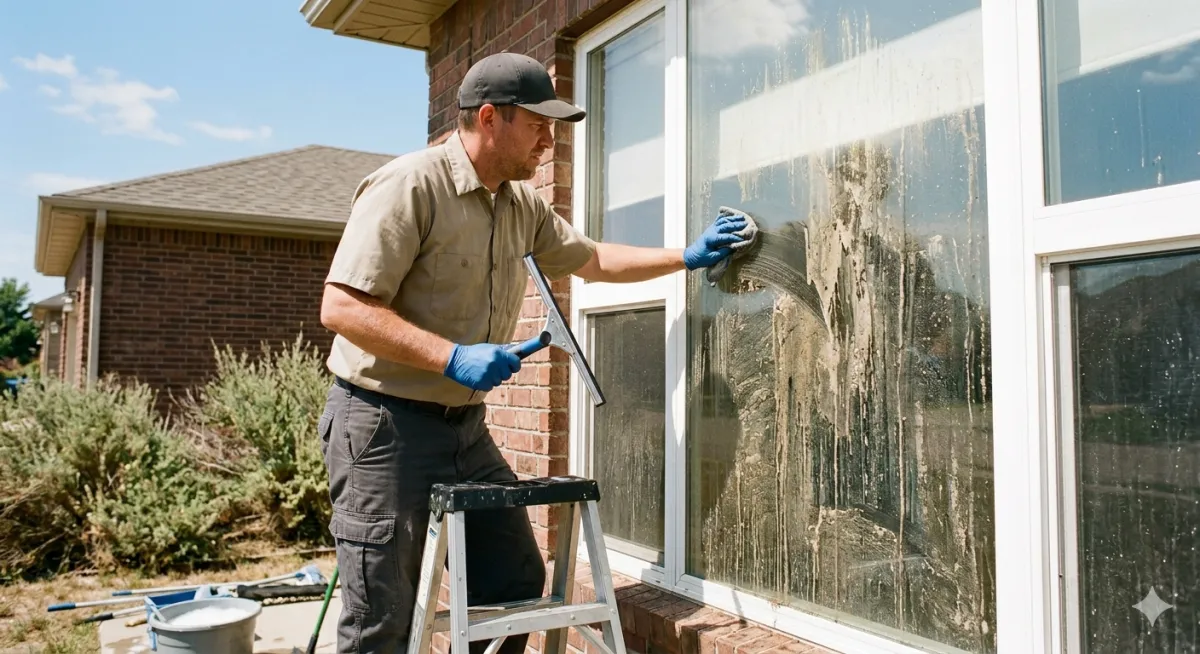
How Heat and Sun Exposure Can Make Window Dirt Harder to Remove
How Heat and Sun Exposure Can Make Window Dirt Harder to Remove
Windows are one of the most visible parts of a home, yet they’re often overlooked until dirt, dust, and streaks become impossible to ignore. During hot and sunny weather, window cleaning becomes even more challenging because heat and direct sunlight can “bake” grime onto the glass surface, making it harder to remove.
Understanding how temperature and sun exposure affect window dirt can help homeowners clean more effectively and avoid stubborn buildup.
Why Hot Weather Makes Windows Harder to Clean
When temperatures rise, dirt and cleaning solutions behave differently on glass surfaces. Instead of loosening grime, heat can cause it to dry too quickly and bond more strongly to the window.
This happens because:
Water evaporates faster in high heat
Cleaning solutions dry before they can break down dirt
Dust and pollen stick more easily to warm surfaces
Mineral deposits form when water evaporates too quickly
As a result, windows often end up with streaks, spots, or a cloudy finish even after cleaning.
The Problem With Direct Sunlight
Direct sunlight is one of the biggest challenges when washing windows. While it may seem like a good idea to clean on a bright day, intense sun exposure actually works against you.
When sunlight hits glass:
Surfaces heat up unevenly
Cleaning liquids dry almost instantly
Dirt becomes “baked on” before it can be wiped away
Streaks form more easily due to rapid evaporation
This is why professionally cleaned windows often look best when cleaned during cooler, shaded hours.
What “Baked-On Grime” Really Means
Baked-on grime refers to dirt, dust, pollen, pollution particles, and water minerals that have been exposed to prolonged heat and sunlight. Over time, these elements harden and bond to the glass surface.
Common contributors include:
Airborne dust and pollen
Rainwater minerals
Vehicle exhaust particles
Hard water spots from sprinklers
Tree sap or organic residue
Once these materials dry and harden under heat, they require more effort—and sometimes specialized cleaning solutions—to remove.
Best Time of Day to Clean Windows
Timing is one of the most important factors in achieving streak-free windows. Cleaning at the wrong time can double the effort and still leave poor results.
The best times to clean windows are:
Early morning
Late afternoon or evening
Overcast or cloudy days
These conditions allow cleaning solutions to stay wet long enough to dissolve dirt properly before being wiped away.
Common Mistakes That Make Dirt Worse
Many homeowners unintentionally make window cleaning harder by using the wrong techniques during hot weather.
Avoid these mistakes:
Cleaning windows in direct midday sun
Using too much cleaning solution that dries unevenly
Wiping dry glass without loosening dirt first
Using dirty cloths or paper towels
Ignoring frames and edges where grime collects
These habits often lead to streaks, smears, and repeated cleaning efforts.
How to Clean Windows Effectively in Warm Weather
Even in hot conditions, you can still achieve clean windows with the right approach.
Best practices include:
1. Work in Sections
Clean one window at a time to prevent solution from drying too quickly.
2. Use Shade Whenever Possible
Clean windows on the shaded side of the house first.
3. Choose the Right Tools
Use microfiber cloths or squeegees instead of paper towels to reduce streaking.
4. Rinse Before Scrubbing
Lightly rinse surfaces to loosen dust and debris before applying cleaner.
5. Avoid Overuse of Cleaning Products
Too much solution can leave residue when it dries too fast.
How Heat Affects Long-Term Window Maintenance
Repeated exposure to heat and sunlight doesn’t just make cleaning harder—it can also affect the condition of your windows over time.
Potential long-term effects include:
Mineral buildup that etches glass
Faded or damaged window seals
Increased frequency of cleaning needs
Reduced clarity and transparency over time
Regular maintenance helps prevent permanent staining or surface damage.
Final Thoughts
Heat and direct sunlight can significantly increase how difficult it is to clean windows by causing dirt and cleaning solutions to dry too quickly. This leads to streaking, baked-on grime, and less effective cleaning results.
By choosing the right time of day and using proper cleaning techniques, homeowners can maintain clear, streak-free windows even during the hottest months.