
How Pollen Season Affects Your Windows More Than You Think
How Pollen Season Affects Your Windows More Than You Think
Pollen season is often associated with allergies, sneezing, and dusty outdoor air—but its impact on your home goes far beyond health. One of the most overlooked effects is what it does to your windows.
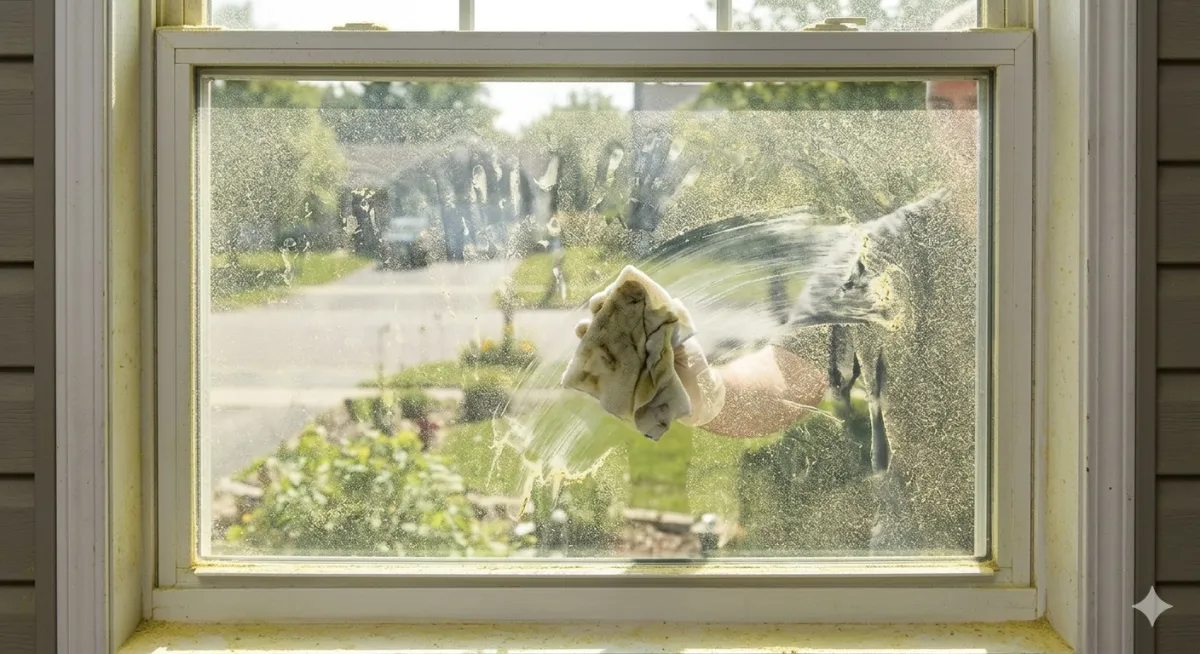
During peak pollen months, windows accumulate a sticky, yellowish layer of residue that gradually reduces visibility, dulls natural light, and makes your home look less clean—even when everything inside is spotless.
Understanding how this buildup happens helps homeowners maintain clearer, brighter, and healthier living spaces throughout the season.
What Pollen Does When It Lands on Windows
Pollen particles are extremely fine and lightweight, allowing them to travel through the air and settle on nearly every surface outside your home.
When pollen lands on windows, it doesn’t just sit there—it reacts with:
Moisture from humidity or light rain
Dust and airborne dirt particles
Natural oils from plants and trees
This combination creates a sticky film that clings tightly to glass surfaces.
Why Window Surfaces Are Especially Vulnerable
Windows act like natural collection points for airborne particles.
This happens because:
1. Static Charge on Glass
Glass naturally builds a mild static charge that attracts fine particles like pollen and dust.
2. Direct Exposure
Unlike walls or shaded surfaces, windows are fully exposed to wind currents carrying pollen.
3. Moisture from Weather Changes
Morning dew, rain, or humidity causes pollen to activate and stick more firmly to glass surfaces.
The Hidden Effects of Pollen Buildup on Windows
1. Reduced Visibility and Blurry Glass
One of the first noticeable effects is reduced clarity. Instead of clean, transparent glass, windows begin to look:
Foggy
Slightly yellowed
Smudged even after cleaning
This impacts both interior views and exterior curb appeal.
2. Dull Natural Light Indoors
Clean windows allow sunlight to enter freely. Pollen buildup, however, acts like a filter:
Light becomes less bright
Rooms appear darker or less vibrant
Natural warmth from sunlight is reduced
Even a thin layer of pollen can noticeably affect indoor lighting quality.
3. Sticky Residue That Attracts More Dirt
Once pollen combines with moisture, it forms a sticky layer that traps:
Dust
Air pollution particles
Spider webs and debris
This means windows get dirty faster over time if not cleaned regularly.
4. Streaking and Hard-to-Remove Stains
Pollen is not always easy to wipe away. When left too long:
It hardens into a thin film
Regular wiping causes streaks instead of cleaning
Standard household cleaning may no longer be effective
At this stage, deeper cleaning methods are often required.
Why Pollen Season Makes Windows Look “Dirty Faster”
Even freshly cleaned windows can look dirty within days during peak pollen season.
This happens because:
Airborne pollen levels remain consistently high
Wind continuously deposits new particles
Outdoor surfaces (screens, frames) re-contaminate glass
So even if you clean once, buildup can quickly return without maintenance.
Areas Most Affected by Pollen Buildup
Not all windows are affected equally. Some areas experience heavier buildup:
South-Facing Windows
Receive more sunlight, which increases visibility of residue.
Ground-Level Windows
Closer to grass, trees, and pollen sources.
Windows Near Gardens or Trees
Direct exposure to flowering plants increases accumulation.
Screens and Frames
Often trap pollen first and reintroduce it onto clean glass.
Long-Term Impact If Windows Are Not Cleaned
Ignoring pollen buildup over time can lead to:
Permanent staining on glass surfaces
Decreased window lifespan due to residue layering
Reduced home brightness throughout the season
Increased frequency of deep cleaning needs later
While pollen itself is natural, its accumulation can create lasting maintenance issues if not managed properly.
How to Protect Your Windows During Pollen Season
1. Regular Light Cleaning
Wipe windows every 1–2 weeks during peak pollen months to prevent buildup.
2. Clean Window Screens
Screens trap large amounts of pollen and should be rinsed or vacuumed regularly.
3. Use Proper Cleaning Solutions
Mild glass cleaners or vinegar-based solutions help break down sticky residue more effectively than water alone.
4. Focus on Exterior Surfaces
Outdoor-facing glass collects most of the pollen, so prioritize exterior cleaning.
5. Schedule Professional Window Cleaning
For heavily affected homes, professional cleaning ensures streak-free results and removes layered buildup safely.
Final Thoughts
Pollen season affects more than just allergies—it directly impacts how clean and bright your home feels. Over time, pollen buildup creates a sticky film on windows that reduces visibility, dims natural light, and attracts more dirt.
By understanding how this seasonal cycle works, homeowners can stay ahead of buildup and maintain clearer, more vibrant windows throughout spring.
Regular maintenance during pollen season isn’t just about cleanliness—it’s about preserving the clarity and comfort of your living space.