
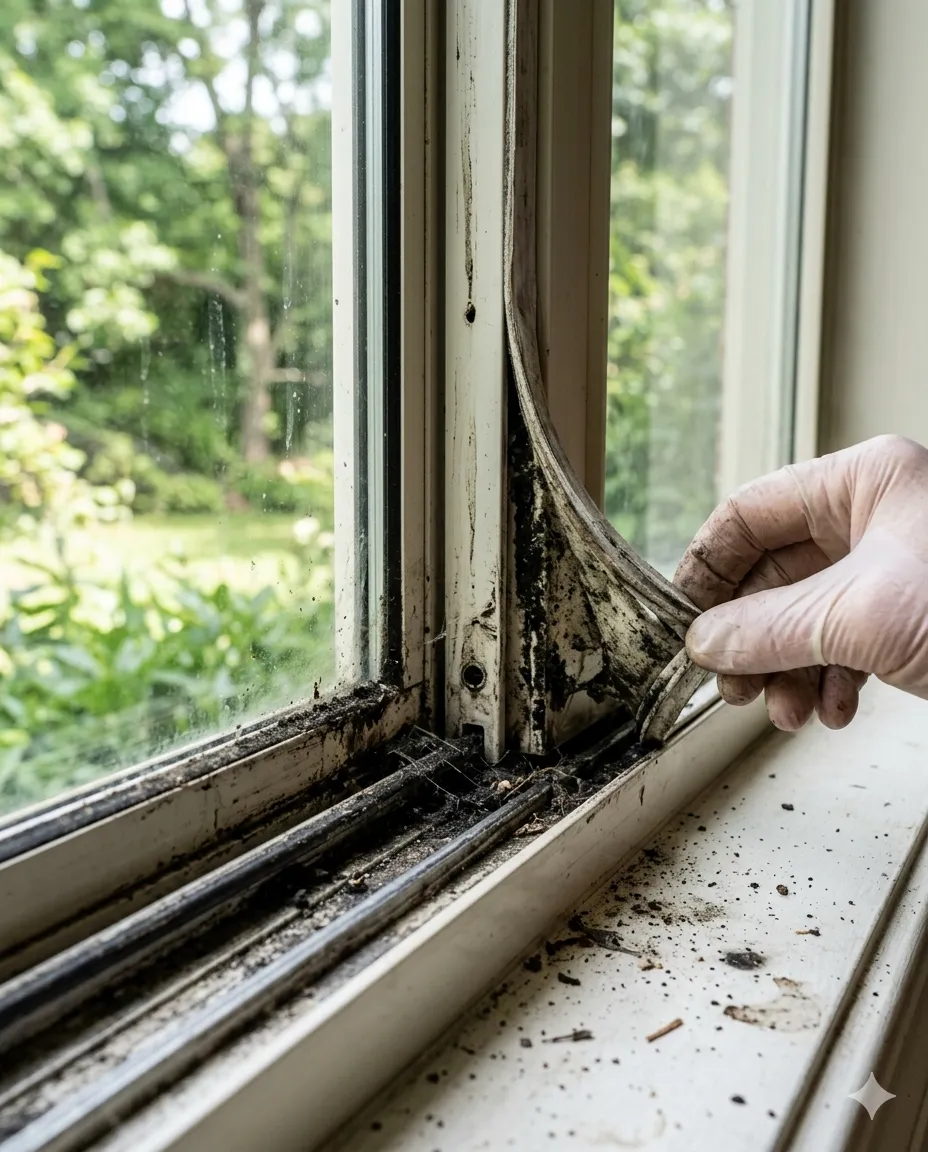
The Hidden Dirt You’re Not Seeing on Your Window Tracks and Frames
The Hidden Dirt You’re Not Seeing on Your Window Tracks and Frames
Why Window Sills and Sliding Tracks Collect More Grime Than the Glass Itself
When homeowners think about window cleaning, they usually focus on the glass. Smudges, fingerprints, water spots, and streaks are easy to notice because they affect visibility. However, some of the dirtiest parts of a window are often overlooked entirely: the tracks, frames, and sills.
These hidden areas can collect significant amounts of dust, dirt, moisture, and debris over time. In many cases, window tracks and frames harbor more grime than the glass itself. Understanding why these areas become so dirty can help homeowners maintain cleaner windows, improve indoor air quality, and protect their property's overall appearance.
Why Window Tracks and Frames Collect So Much Dirt
Unlike glass surfaces, window tracks and frames contain grooves, corners, and crevices that naturally trap debris.
Common Sources of Buildup Include:
Dust and airborne particles
Pollen
Pet hair
Insect debris
Leaves and outdoor dirt
Moisture and condensation
Every time a window is opened or closed, some of this material becomes trapped inside the track system, where it can continue accumulating unnoticed.
Window Glass Gets Cleaned More Often
One reason tracks and frames become dirtier than glass is simple: they are often ignored during routine cleaning.
Most homeowners regularly clean visible glass surfaces but rarely inspect:
Window tracks
Sliding door tracks
Window sills
Window frames
Drainage channels
As a result, dirt can build up for months—or even years—without being removed.
Moisture Creates the Perfect Environment for Grime
Window tracks are designed to channel water away from the window system. While this drainage function is important, it also creates an environment where dirt can collect and stick.
Moisture Sources Include:
Rainwater intrusion
Condensation
Humidity
Exterior washing
Morning dew
When moisture combines with dust and debris, it often forms a muddy residue that becomes increasingly difficult to remove.
Pollen and Outdoor Debris Accumulate Quickly
During spring, summer, and fall, windows are exposed to large amounts of airborne debris.
Common Contaminants Include:
Tree pollen
Grass pollen
Dust
Seeds
Small leaves
Insect remains
These particles settle naturally into window tracks and sills, particularly on windows that are frequently opened for ventilation.
Even homes in seemingly clean neighborhoods can experience substantial buildup throughout the year.
Sliding Window Tracks Are Major Dirt Traps
Sliding windows and sliding glass doors are especially prone to grime accumulation.
Why Sliding Tracks Get So Dirty:
Constant movement attracts dust
Grooves trap debris
Moisture settles in low areas
Difficult-to-reach corners collect dirt
Because tracks contain multiple channels and drainage openings, debris often accumulates faster than homeowners realize.
Over time, this buildup can affect window operation and increase wear on moving parts.
Dirty Window Tracks Can Affect Indoor Air Quality
Many people don't realize that neglected window components can contribute to indoor air quality concerns.
Accumulated dust, pollen, and organic matter can become airborne when:
Windows are opened
Air circulates through the home
Tracks are disturbed during operation
For individuals sensitive to allergens, dirty window tracks may contribute to discomfort and increased indoor dust levels.
Mold and Mildew Can Develop in Hidden Areas
Moisture trapped inside window tracks can sometimes lead to mold and mildew growth.
Warning Signs Include:
Musty odors
Dark discoloration
Persistent moisture
Visible mold spots
Increased condensation
Addressing these issues early can help prevent damage to surrounding materials and improve indoor environmental conditions.
Window Frames Need Attention Too
Window frames often collect dirt along edges, corners, and weather stripping.
Areas Commonly Overlooked:
Frame joints
Rubber seals
Window locks
Sliding mechanisms
Drainage holes
Neglecting these components can shorten the lifespan of window systems and reduce their overall performance.
The Impact on Curb Appeal
Clean glass alone doesn't always create a truly clean appearance.
Dirty tracks, stained sills, and dusty frames can make windows look neglected even when the glass itself is spotless.
Benefits of Cleaning Entire Window Systems:
✔ Improved appearance
✔ Better curb appeal
✔ Smoother window operation
✔ Reduced allergen buildup
✔ Longer window lifespan
✔ Improved home cleanliness
Comprehensive window maintenance helps create a more polished and well-maintained appearance.
How Often Should Window Tracks Be Cleaned?
The ideal cleaning schedule depends on your environment.
General Recommendations:
Every 3–6 months for most homes
More frequently in dusty climates
Seasonally during heavy pollen periods
After storms or high winds
Before and after rainy seasons
Routine maintenance prevents excessive buildup and makes cleaning easier over time.
Why Professional Window Cleaning Includes More Than Glass
Professional window cleaning services often address more than just visible glass surfaces.
Comprehensive service may include:
Window track cleaning
Frame cleaning
Sill cleaning
Screen cleaning
Hard water stain removal
Debris extraction
This thorough approach helps improve both the appearance and functionality of your windows.
Tips for Maintaining Cleaner Window Tracks
Vacuum Loose Debris Regularly
Removing dirt before it accumulates can prevent stubborn buildup.
Wipe Tracks Periodically
A damp cloth can help remove surface dust and grime.
Check Drainage Openings
Ensure drainage holes remain free of debris.
Inspect for Moisture
Address condensation and water intrusion issues promptly.
Schedule Routine Window Cleaning
Regular maintenance helps prevent long-term dirt accumulation.
Final Thoughts
While sparkling glass often gets the attention, window tracks, frames, and sills are where much of the hidden dirt actually collects. Dust, pollen, moisture, and debris can accumulate in these overlooked areas, affecting window performance, indoor air quality, and overall appearance.
By cleaning the entire window system—not just the glass—you can enjoy cleaner, healthier, and better-functioning windows year-round. Routine maintenance and professional window cleaning services help keep both visible and hidden areas looking their best.