
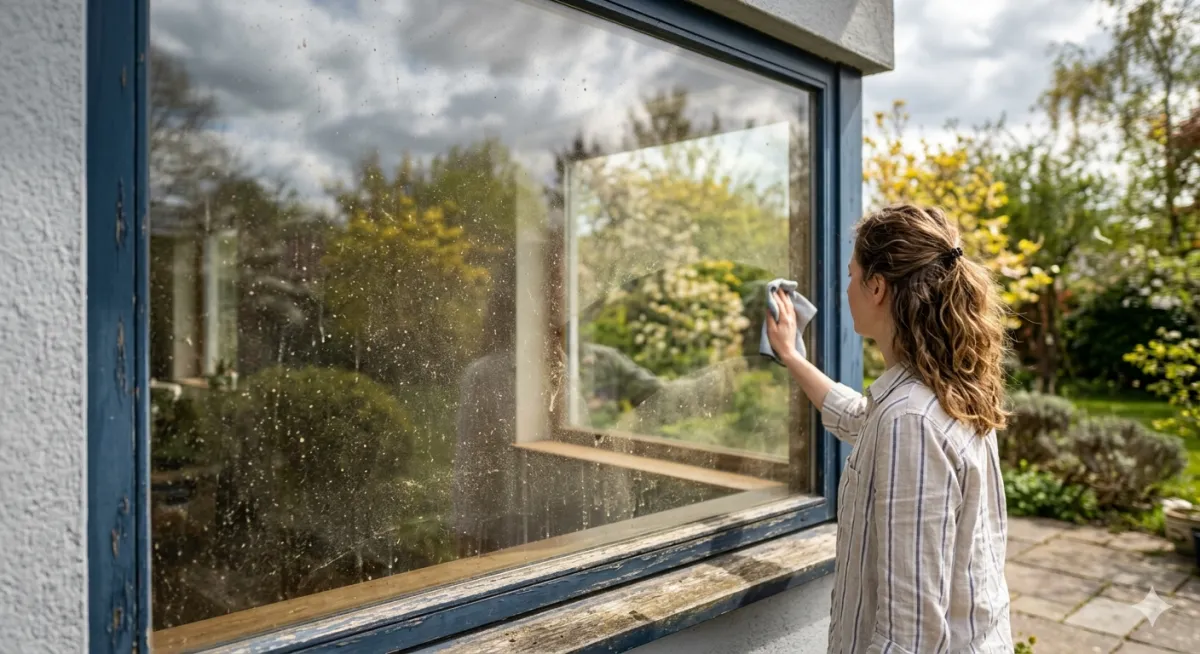
Why Spring Dust and Wind Leave a Film on Exterior Glass Surfaces
Why Spring Dust and Wind Leave a Film on Exterior Glass Surfaces
Late spring brings stronger winds, warmer air, and drier outdoor conditions—all of which combine to create one of the most persistent issues for homeowners: a thin, stubborn film on exterior glass surfaces.
Windows that were recently cleaned can quickly appear hazy or streaked again, not because of neglect, but because of constant environmental buildup carried by spring air movement.
Understanding how this film forms helps explain why exterior glass requires more frequent maintenance during this season.
The Science Behind Spring Dust and Wind Buildup
Spring weather conditions create the perfect environment for airborne particles to travel and settle on surfaces.
This happens because:
Rising temperatures loosen soil and dry out debris
Stronger seasonal winds carry fine particles through the air
Increased outdoor activity disturbs dust, pollen, and dirt
When these particles collide with glass surfaces, they don’t simply bounce off—they stick, layer, and accumulate over time.
Why Exterior Glass Attracts More Buildup Than Other Surfaces
Glass may look smooth, but it is highly susceptible to airborne residue.
1. Static Attraction
Exterior glass naturally builds a slight static charge, which attracts dust and fine particles.
2. Direct Exposure to Wind Flow
Windows act like vertical catchment areas for wind-driven debris, especially during breezy spring afternoons.
3. Temperature Differences
Warm air outside and cooler glass surfaces create condensation-like conditions that help particles adhere more easily.
What Makes Spring Dust So Sticky on Windows
Spring dust is not just dry dirt—it’s a mixture of multiple environmental elements:
Soil particles
Pollen and plant fragments
Air pollution residue
Moisture from humidity or light rain
When these combine, they form a thin, sticky layer that clings to glass rather than sliding off.
Over time, this layer becomes harder to remove and may require more than simple wiping.
How Wind Accelerates Window Contamination
Wind plays a major role in how quickly exterior glass becomes coated.
1. Continuous Particle Delivery
Every gust of wind carries new debris that lands on exposed surfaces.
2. Micro-Abrasion Effect
Tiny particles repeatedly hitting the glass can create a dull, worn appearance over time.
3. Uneven Buildup Patterns
Wind direction causes streaks and uneven layering, making windows look dirty even when only partially affected.
The Visible Effects of Spring Film on Glass
Homeowners often notice this buildup in subtle but frustrating ways:
Hazy or Cloudy Appearance
Windows lose their crystal-clear look and appear slightly fogged.
Reduced Light Transmission
Natural light entering the home becomes less bright and slightly muted.
Streaking After Rain
Instead of cleaning windows, rainwater spreads the existing dust into visible streaks.
Persistent “Dirty Look”
Even after cleaning, windows may appear dusty again within days due to continuous exposure.
Why Late Spring Is the Peak Season for Glass Film Buildup
Late spring intensifies all contributing factors:
Dryer soil increases airborne dust levels
Stronger winds carry more debris over longer distances
Ongoing pollen activity adds sticky particles to dust layers
More outdoor activity disturbs ground-level dirt
This combination creates a constant cycle of contamination on exterior glass surfaces.
Areas Most Affected by Wind and Dust Film
Not all windows are affected equally. Some locations experience heavier buildup:
Upper Floor Windows
More exposed to wind currents and airborne dust.
Road-Facing Windows
Affected by vehicle dust and urban debris.
Windows Near Open Fields or Construction Areas
High exposure to loose soil and particulate matter.
Large Glass Doors and Sliding Panels
Broad surfaces collect more airborne particles.
Long-Term Effects If Film Is Not Removed
If spring buildup is left untreated, it can lead to:
Hard-to-remove layered residue
Permanent staining or etching in extreme cases
Increased frequency of deep cleaning requirements
Reduced overall clarity of glass surfaces
Over time, what begins as a light dust film can become a bonded layer that requires professional cleaning.
How to Prevent Spring Dust Film on Windows
1. Frequent Light Cleaning
Wipe exterior glass every 1–2 weeks during peak spring winds.
2. Rinse Before Wiping
Use water first to remove loose particles before applying cleaning solutions.
3. Clean Window Frames and Screens
Frames and screens often hold dust that re-contaminates glass.
4. Trim Nearby Vegetation
Reducing nearby dust sources helps limit airborne debris.
5. Schedule Professional Window Cleaning
For persistent buildup, professional cleaning ensures deeper removal without streaking or residue.
Final Thoughts
Spring dust and wind create a continuous cycle of airborne buildup that leaves a noticeable film on exterior glass surfaces. This is a natural seasonal effect, but it can significantly impact how clean and bright a home appears.
By understanding how environmental factors interact with glass, homeowners can take proactive steps to maintain clearer windows and reduce long-term buildup throughout late spring.
Consistent care during this season not only improves visibility but also helps preserve the long-term clarity and appearance of exterior glass surfaces.