
Why Window Screens Need Just as Much Attention as the Glass Itself
Why Window Screens Need Just as Much Attention as the Glass Itself
Dust Buildup, Airflow Issues, and the Hidden Effects of Maintenance Neglect
When homeowners think about window maintenance, the focus is usually on the glass. Clean windows improve natural light, enhance curb appeal, and provide clearer views of the outdoors. However, there's another important component that often gets overlooked: the window screen.
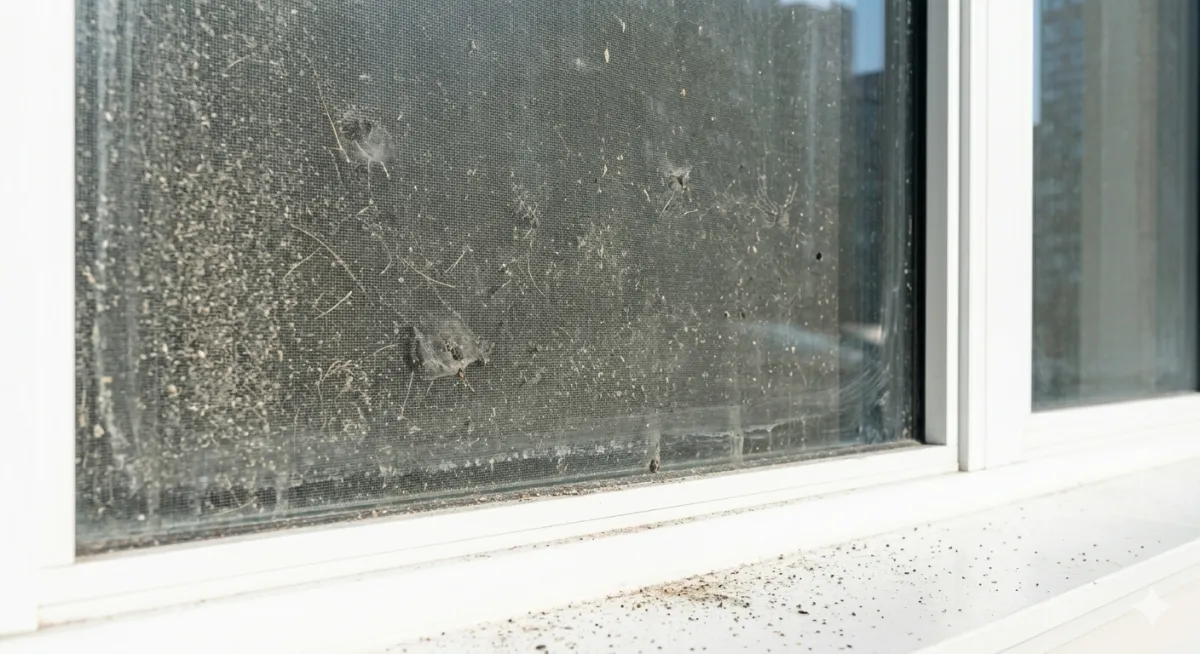
Window screens serve as a barrier against insects, debris, and airborne particles while allowing fresh air to circulate throughout the home. Over time, screens accumulate dust, pollen, dirt, and other contaminants that can impact both appearance and functionality.
Giving window screens the same attention as the glass itself can help maintain a cleaner, healthier, and more comfortable living environment.
The Important Role Window Screens Play
Window screens are designed to:
Allow fresh air into the home
Keep insects and pests outside
Filter larger airborne particles
Improve indoor ventilation
Support overall comfort
Because they are constantly exposed to outdoor elements, screens often collect debris much faster than homeowners realize.
Dust and Dirt Build Up Over Time
Window screens act like filters, capturing airborne particles before they enter the home.
Common contaminants include:
Dust
Pollen
Dirt
Pet hair
Tree debris
Pollution particles
As these materials accumulate, screens can become visibly dirty and less effective.
Why It Matters
Even if your windows are spotless, dirty screens can make the entire window appear neglected and reduce visibility.
Dirty Screens Can Restrict Airflow
One of the primary benefits of window screens is improved ventilation.
However, when screens become clogged with dirt and debris, they can:
Reduce airflow
Limit natural ventilation
Make indoor spaces feel stuffy
Decrease overall comfort
Why It Matters
Homeowners who enjoy opening windows for fresh air may not realize that dirty screens are restricting airflow and reducing ventilation efficiency.
Screens Affect the Appearance of Your Windows
Many homeowners clean the glass but overlook the screens entirely.
Unfortunately, dirty screens can:
Create a hazy appearance
Block clear views
Diminish the effect of clean windows
Reduce curb appeal
Why It Matters
Clean glass and dirty screens often create a noticeable contrast that affects the overall appearance of the home's exterior and interior.
Neglected Screens Can Shorten Their Lifespan
Like any home component, window screens benefit from routine maintenance.
Without regular cleaning and inspection, screens may experience:
Frame deterioration
Mesh damage
Corrosion
Tears and holes
Premature wear
Why It Matters
Small issues can develop into costly repairs or full screen replacements if left unaddressed.
Pollen and Allergens Can Accumulate
During certain seasons, window screens collect significant amounts of pollen and other allergens.
These particles may:
Affect indoor air quality
Trigger allergy symptoms
Re-enter the home when windows are opened
Accumulate around window frames
Why It Matters
Regular screen cleaning can help reduce allergen buildup and support a healthier indoor environment.
Insects Can Exploit Damaged Screens
While dirt buildup is a common issue, physical damage can be equally problematic.
Small tears or holes may allow:
Mosquitoes
Flies
Wasps
Other insects
to enter the home.
Why It Matters
Routine maintenance helps identify and repair screen damage before it becomes a larger problem.
Signs Your Window Screens Need Attention
Look for these common indicators:
Visible dust or dirt buildup
Reduced airflow when windows are open
Discolored screen mesh
Difficulty seeing through the screen
Torn or damaged mesh
Bent or damaged frames
Excessive pollen accumulation
If any of these issues are present, it may be time for a thorough cleaning and inspection.
Best Practices for Window Screen Maintenance
To keep screens functioning properly:
Clean screens regularly
Remove accumulated dust and debris
Inspect for tears and damage
Check screen frames for wear
Wash screens during seasonal window cleaning
Replace damaged screens promptly
Including screens in your regular maintenance routine helps ensure they continue performing as intended.
Benefits of Clean Window Screens
Maintaining clean screens can help:
Improve airflow
Enhance window appearance
Support indoor air quality
Reduce allergen buildup
Extend screen lifespan
Improve overall home comfort
These benefits contribute to both the functionality and appearance of your home.
Final Thoughts
Window screens play an essential role in your home's ventilation, comfort, and protection from outdoor elements. Yet they are often overlooked during routine cleaning and maintenance.
By giving your window screens the same attention as the glass itself, you can improve airflow, enhance visibility, reduce allergen buildup, and extend the life of your screens. A simple maintenance routine can make a noticeable difference in the performance and appearance of your windows throughout the year.